Understanding Building Energy Management Systems (BEMS) and Building Management Systems (BMS)
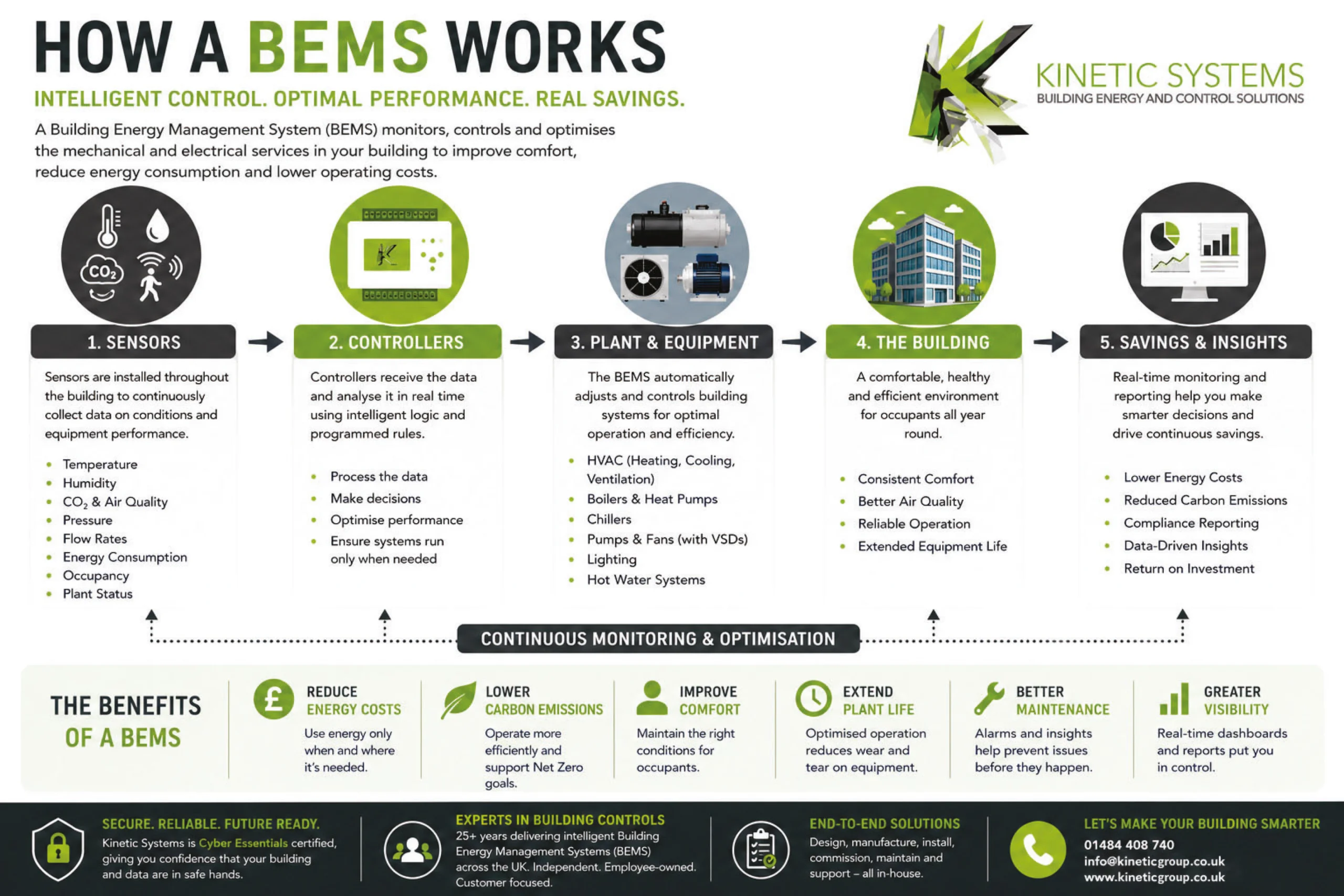
A Building Energy Management System (BEMS), often referred to as a Building Management System (BMS), is an intelligent building controls platform designed to monitor, manage, and optimise the performance of a building’s mechanical and electrical services.
Modern BEMS solutions provide centralised control of heating, ventilation, air conditioning (HVAC), lighting, energy metering, gas detection, renewable energy systems, Variable Speed Drives (VSDs), and critical building infrastructure. By continuously monitoring building performance and responding to changing conditions, a BEMS helps reduce energy consumption, lower operating costs, improve occupant comfort, and support sustainability objectives.
Whether managing a commercial office, healthcare facility, educational campus, industrial site, retail environment, local authority estate, or public building, a professionally designed BEMS delivers measurable energy savings, operational efficiencies, and long-term value.

How Does a BEMS Work?
A Building Energy Management System collects data from sensors, controllers, meters, actuators, Variable Speed Drives, gas detection systems, and field devices located throughout a building.
Using sophisticated software and intelligent control strategies, the system analyses real-time information and automatically adjusts equipment to maintain optimal performance.
Typical BEMS applications include:
- Heating control
- Ventilation control
- Air conditioning optimisation
- Boiler and plant room management
- Chiller optimisation
- Variable Speed Drive (VSD) control and optimisation
- Lighting control
- Energy metering and reporting
- Renewable energy integration
- Occupancy-based control
- Indoor air quality monitoring
- Gas detection monitoring
- Fault detection and diagnostics
- Remote monitoring and alarm management
The result is a smarter building that operates more efficiently while maintaining a comfortable environment for occupants.

Key Benefits of a Building Energy Management System
-
Reduced Energy Consumption
Energy costs continue to rise across commercial and public sector buildings. A modern BEMS identifies energy waste and automatically optimises equipment operation to minimise consumption.
-
Lower Operating Costs
Intelligent scheduling, demand-based control, and automated optimisation help reduce utility bills and maintenance costs while extending equipment lifespan.
-
Improved Occupant Comfort
A well-configured BEMS maintains consistent temperatures, ventilation rates, and indoor air quality, creating healthier and more productive environments.
-
Sustainability and Net Zero Support
Building Energy Management Systems play a critical role in achieving Net Zero Carbon objectives by reducing energy waste, lowering carbon emissions, and improving overall building performance.
-
Remote Access and Monitoring
Cloud-enabled BEMS platforms allow facilities managers and building operators to access real-time building data from anywhere, improving responsiveness and operational visibility.
-
Open Protocols and Smart Building Integration
Modern Building Management Systems are increasingly based on open communication protocols, enabling seamless integration between equipment from multiple manufacturers.

BMS / BEMS Controller Manufacturers
-
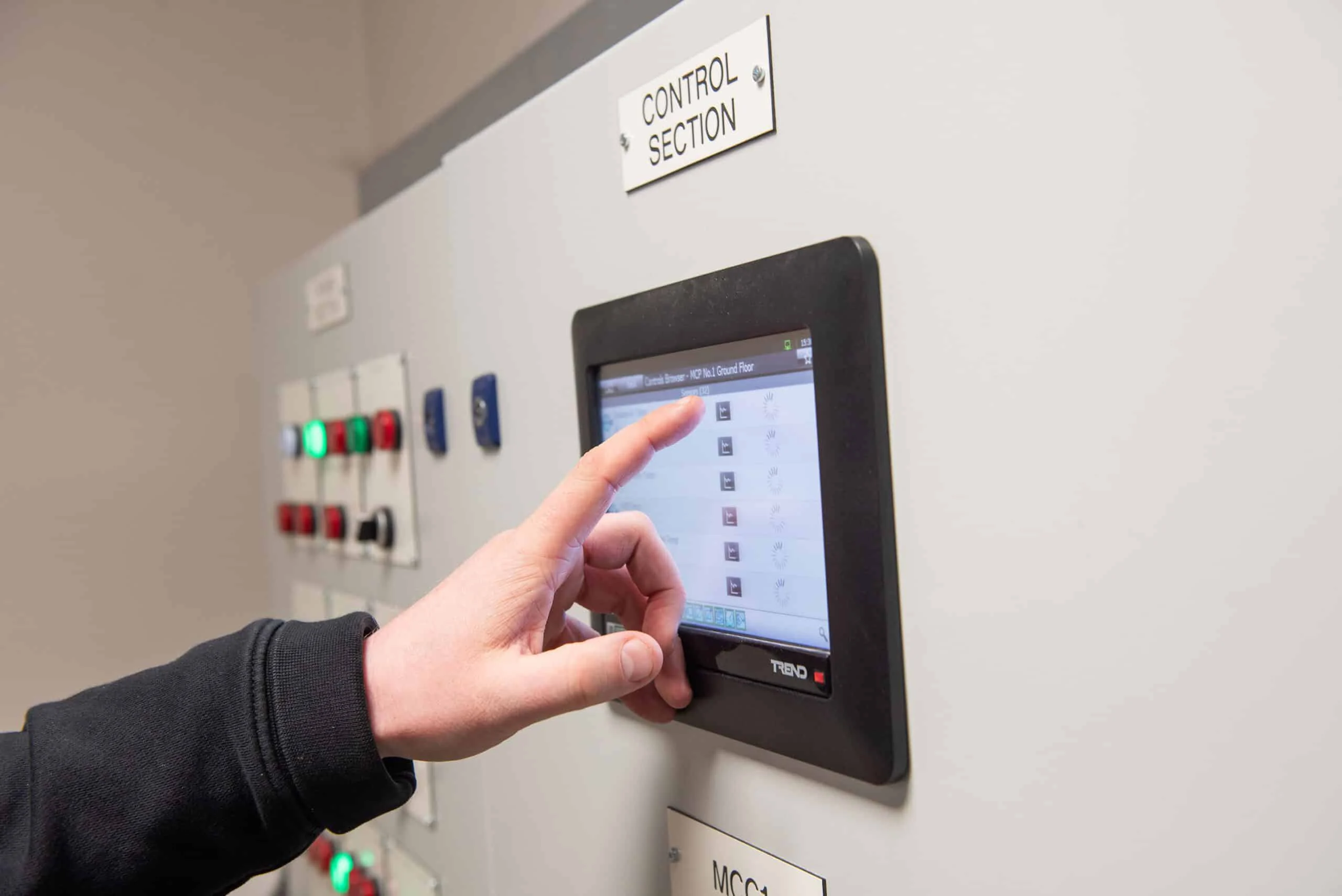
Trend Controls is one of the UK’s most established building energy management systems (BEMS). Its IQ controllers and supervisory software give you central monitoring and control of a building’s services from one place.
Trend enables control and integration of:
- HVAC plant and air handling units
- Heating, boilers and heat pumps
- Chillers and cooling systems
- Lighting controls
- Energy and utility metering
- Variable speed drives
- Fan coil units and zone controls
- Renewable energy systems
- BACnet networks
- Modbus networks
- Third-party systems through IQVision and 963 supervisors
Trend combines a proven controller range, strong UK support and open protocols. That makes it a trusted choice for improving comfort, efficiency and energy performance across commercial, public sector and estate-wide sites.
-
Distech Controls is a building automation specialist known for open, IP-based controllers and flexible integration. Its ECLYPSE controller range and EC-Net supervisor give you connected, efficient control of the whole building from one interface.
Distech enables control and integration of:
- HVAC plant and air handling units
- Heating, cooling and heat pumps
- VAV and fan coil units
- Lighting controls
- Energy and utility metering
- Variable speed drives
- Room and occupant comfort controls
- Renewable energy systems
- IoT devices and cloud platforms
- BACnet networks
- Modbus networks
- Third-party systems through the Niagara-based EC-Net supervisor
It’s built on open protocols, native IP connectivity and secure, web-based tools. That makes Distech a future-ready choice for smart, energy-efficient buildings of any size.
-
Priva is a Dutch building automation specialist with a strong focus on sustainability and energy efficiency. Its Blue ID controllers and TopControl software give you intelligent, centralised control of a building’s climate and energy performance.
Priva enables control and integration of:
- HVAC plant and air handling units
- Heating, cooling and heat pumps
- Heat recovery and ventilation systems
- Fan coil and zone climate controls
- Lighting controls
- Energy and utility metering
- Variable speed drives
- Renewable energy and thermal storage systems
- Indoor air quality monitoring
- BACnet networks
- Modbus networks
- Remote monitoring and cloud-based building insights
Priva combines smart controls, easy-to-use operator tools and a data-led approach to building performance. That makes it an ideal choice for healthy, comfortable and energy-efficient buildings.
-
Honeywell Forge and Honeywell’s connected building solutions bring cloud analytics, AI and remote services together with building control. You get real-time visibility and smarter decisions across a single building or an entire portfolio.
Honeywell Forge & Connected Solutions enable:
- Portfolio-wide building performance dashboards
- AI-driven energy optimisation
- Energy and carbon reporting
- Remote monitoring of HVAC and critical plant
- Predictive and condition-based maintenance
- Fault detection and diagnostics
- Alarm management and service insights
- Indoor air quality and occupant comfort monitoring
- Space utilisation and occupancy analytics
- Cybersecurity monitoring for operational technology (OT) networks
- Integration with Honeywell, Trend and third-party BMS platforms
- Secure cloud connectivity for IoT devices and sensors
Honeywell combines enterprise-grade software, connected services and decades of building controls expertise. That makes it a powerful choice for organisations looking to cut energy costs, meet sustainability targets and move from reactive to proactive building management.
BEMS / BMS Communications, Integration and 3rd Party Systems
-
BACnet is the international open standard (ISO 16484-5) for building automation communication. It lets equipment from different manufacturers share data and work together on one network.
BACnet enables integration between:
- HVAC plant and air handling units
- Chillers, boilers and heat pumps
- VAV and fan coil controllers
- Lighting controls
- Energy metering
- Variable speed drives
- Fire and life safety interfaces
- Access control and security systems
- Lifts and vertical transport
- Supervisory BMS platforms such as Niagara, Trend, Distech and Priva
Because it’s vendor-neutral and supported by nearly every major manufacturer, BACnet is the backbone of modern, open building management systems. It protects your investment and avoids being locked into one supplier.
-
Modbus is one of the most widely used communication protocols in building services and industrial systems. It’s simple, reliable and proven, and it runs over serial (RTU) or Ethernet (TCP) networks.
Modbus enables integration of:
- Energy and utility meters
- Variable speed drives
- Chillers, boilers and heat pumps
- Generators and UPS systems
- Solar PV inverters and battery storage
- EV charging infrastructure
- Gas detection panels
- Pumps and packaged plant controllers
- Power monitoring and electrical switchgear
Almost every piece of plant and metering equipment supports it, so Modbus is essential for getting data from equipment into your BMS. That gives you full visibility of energy use and plant performance.
-
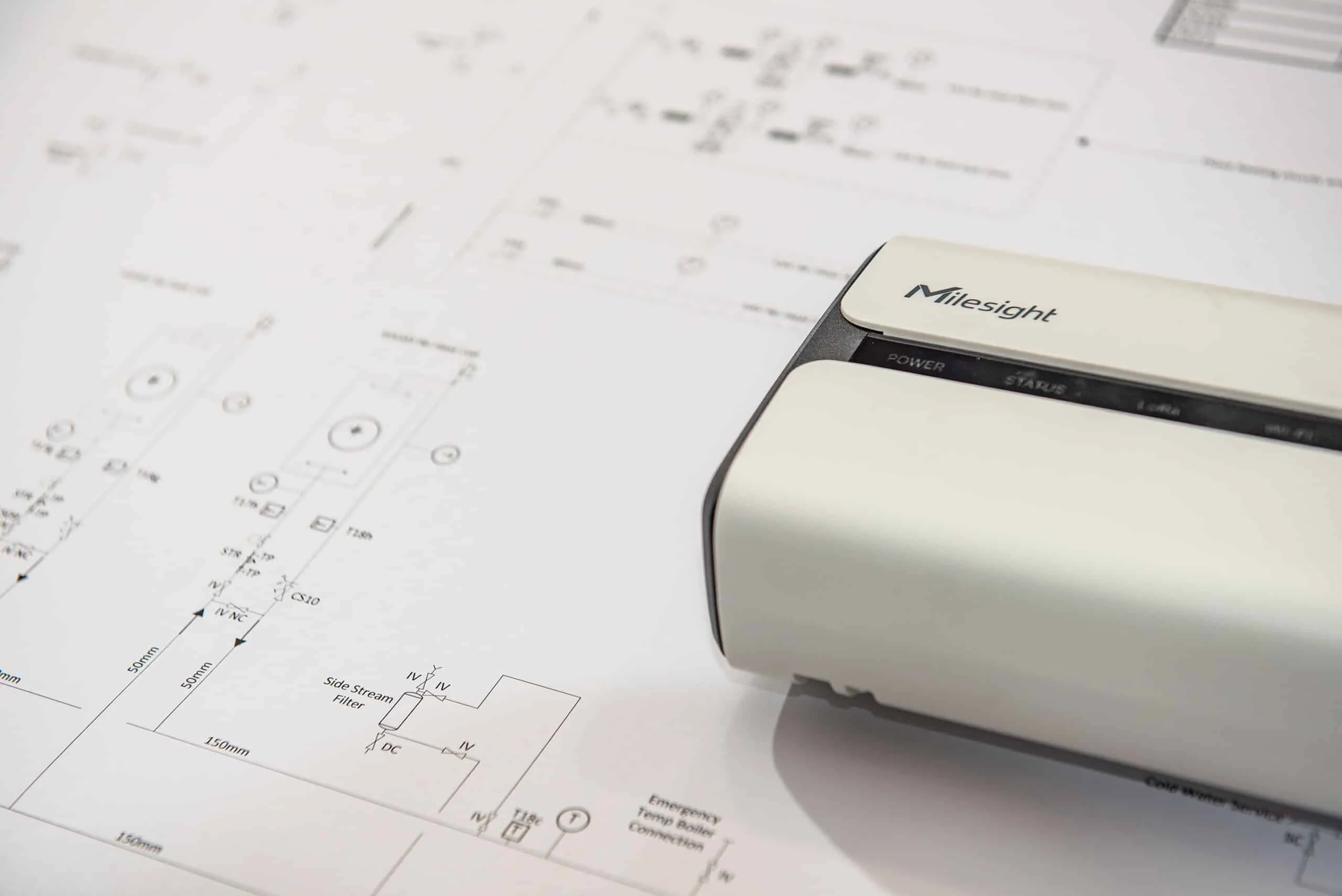
LoRaWAN is a long-range, low-power wireless network built for the Internet of Things. Battery-powered sensors can send data over long distances and through walls and floors, with no new cabling needed.
LoRaWAN enables wireless monitoring of:
- Temperature and humidity
- Indoor air quality and CO₂
- Occupancy and space usage
- Energy, water and gas meters
- Leak and flood detection
- Door, window and asset status
- Legionella and water temperature compliance
- Plant rooms and remote sites
- Retrofit projects where cabling isn’t practical
With sensor batteries that can last for years and fast, low-disruption installation, LoRaWAN is a cost-effective way to add rich data to existing buildings and link it straight into your BMS.
-
The Internet of Things (IoT) connects smart devices, sensors and systems across a building so they can share data in real time. That turns everyday building operations into useful information.
IoT enables:
- Smart sensors for comfort, air quality and occupancy
- Wireless metering and sub-metering
- Remote monitoring of plant and equipment
- Predictive maintenance and fault detection
- Space usage and workplace analytics
- Energy and carbon reporting
- Cloud dashboards and mobile access
- Integration with BMS platforms and enterprise systems
- Connectivity over BACnet, Modbus, LoRaWAN, MQTT and APIs
Connecting buildings, people and data lets IoT deliver smarter, healthier and more energy-efficient spaces. It also lays the groundwork for data-driven building management.
BEMS / BMS Field devices, Sensors, Valves, Actuators and other safety, monitoring and energy saving devices
-
Variable speed drives (VSDs) control the speed of the motors that run fans and pumps, so equipment works only as hard as it needs to. That can cut energy use a great deal.
We supply, install and integrate VSDs for:
- Air handling unit supply and extract fans
- Heating and chilled water pumps
- Cooling towers and condenser fans
- Booster sets and domestic water pumps
- Kitchen and car park ventilation
- Compressors and process equipment
- Retrofit upgrades to fixed-speed motors
- BMS integration over BACnet, Modbus and hardwired I/O
Because a fan or pump needs far less power when it runs even slightly slower, VSDs are one of the most cost-effective energy-saving measures in any building. They also cut noise and wear, and extend equipment life.
-
Gas detection systems continuously monitor for dangerous gases and trigger alarms and automatic responses. They protect people, property and plant.
We design, install and integrate gas detection for:
- Plant rooms and boiler houses
- Commercial kitchens
- Underground and enclosed car parks
- Refrigerant leak detection
- Laboratories and medical gas areas
- Battery rooms and energy storage
- Combustible gases, including natural gas and LPG
- Toxic gases, including carbon monoxide (CO) and nitrogen dioxide (NO₂)
- Oxygen depletion monitoring
- Automatic gas shut-off and ventilation control
- BMS alarm integration and remote notification
Linking gas detection to your BMS gives you immediate alerts, automated safety responses and a full event history. That supports compliance and peace of mind.
-
Control valves and actuators are the working parts of a BMS. They adjust the flow of water and air precisely, so the building’s heating, cooling and ventilation perform exactly as intended.
We supply, install and replace:
- 2-port and 3-port control valves
- Pressure-independent control valves (PICVs)
- Butterfly and ball valves
- Zone valves for heating and cooling circuits
- Valve actuators with modulating, on/off and spring-return operation
- Damper actuators for air handling and ventilation
- Smart actuators with BACnet and Modbus communication
- Fire and smoke damper actuators
- Like-for-like replacements and upgrades
Correctly sized and commissioned valves and actuators deliver stable temperature control, balanced systems and significant energy savings. They’re essential for getting the best from any BMS.
-
Sensors are the eyes and ears of a building management system. They supply the accurate, real-time data needed for efficient control, healthy indoor environments and reliable reporting.
We supply, install and calibrate sensors for:
- Room, duct, immersion and outside air temperature
- Humidity and dew point
- CO₂ and indoor air quality
- Occupancy and presence detection
- Air and water flow
- Differential and static pressure
- Filter condition monitoring
- Light level
- Wired, wireless and LoRaWAN options
- Integration over BACnet, Modbus and analogue I/O
Accurate, well-placed sensors make your BMS respond correctly. That means better comfort, lower energy use and the data you need for compliance and sustainability reporting.
-
Water leak detection systems find leaks early, before they turn into costly damage, downtime or disruption.
We supply, install and integrate leak detection for:
- Server rooms and data centres
- Plant rooms and risers
- Ceiling voids and raised floors
- Washrooms and kitchens
- Chillers, AHUs and fan coil units
- Water tanks and pump sets
- Heritage buildings and high-value assets
- Rope-sensing and spot-detection sensors
- Automatic water shut-off valves
- Wired and wireless (LoRaWAN) sensor options
- BMS alarm integration and remote alerts
BREEAM Compliant Leak Detection (Wat 03)
We also design and install major water leak detection systems that support BREEAM Wat 03 credits for new-build and refurbishment projects, including:
- Mains water flow monitoring between the utility meter and the building
- Detection of abnormal or continuous flow that signals a major leak
- Audible and visual alarms, plus BMS alerts, when a leak is detected
- Programmable flow thresholds and time periods to suit how the building is used
- Flow control devices and sanitary supply shut-off valves in washrooms
- Integration with water metering and BMS reporting
Pinpointing leaks as soon as they happen protects your building, equipment and business continuity. It also helps reduce water waste, lower insurance risk and support your BREEAM and sustainability targets.
Smart Building Technologies
Our Building Energy Management Systems integrate a comprehensive range of smart building technologies, including:
- Trend Controls
- Distech Controls
- Tridium Niagara
- BACnet Networks
- Modbus Networks
- LoRaWAN Wireless Sensors
- Internet of Things (IoT) Devices
- Smart Energy Metering
- Variable Speed Drives (VSDs)
- BMS Control Panels
- Belimo Valves and Actuators
- S&S Northern Sensors
- S&S Northern Gas Detection Systems
- HVAC Optimisation Solutions
- Renewable Energy Integration
- Cloud-Based Energy Management Platforms
By adopting an open-protocol approach, organisations benefit from greater flexibility, enhanced scalability, reduced operating costs, improved sustainability performance, and long-term return on investment.
Why Invest in a Modern BEMS?
A modern Building Energy Management System is far more than a traditional building controls platform. It provides the intelligence, automation, and connectivity needed to optimise building performance, reduce energy consumption, improve occupant wellbeing, and support sustainability goals.
By combining leading technologies such as Trend Controls, Distech Controls, Tridium Niagara, BACnet, Modbus, LoRaWAN, IoT monitoring, Variable Speed Drives, Belimo field devices, S&S Northern sensors, integrated gas detection systems, and custom-built BMS control panels, organisations can achieve complete visibility and control across their building estate.
Whether you require a new BEMS installation, BMS upgrade, control panel manufacture, IoT integration, gas detection system, VSD optimisation project, energy monitoring solution, or ongoing maintenance support, our experienced engineers can help deliver a smarter, safer, and more energy-efficient building.
BEMS Partners, Certifications & Technologies